Deep learning models predict old and new drugs that might successfully treat COVID-19.
Read More
Technical & News Articles about Deargen
Deep learning models predict old and new drugs that might successfully treat COVID-19.
Read More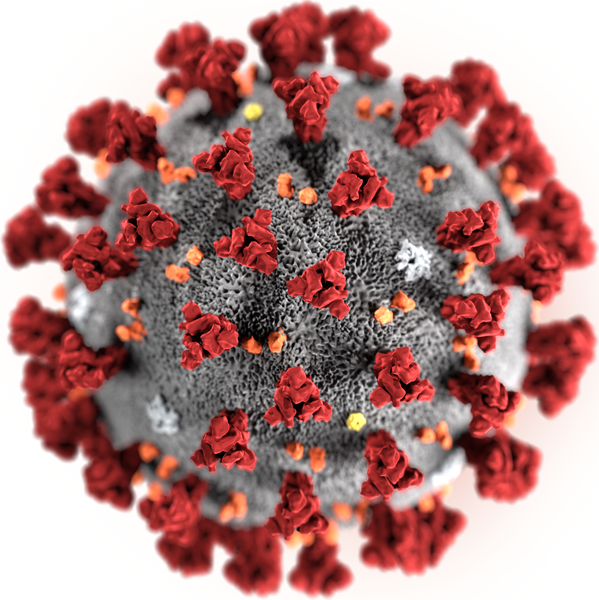
Deargen, predicted a drug with high potential for treatment of a new coronavirus (2019-nCoV) using the AI technology.
Read More
Deargen Presented a self-developed small-molecule lead optimization model, MolEQ (Molecule Equalizer) at AACR2020.
Read More
We introduce the process of finding key targets for primary cancers using our AI technologies such as Wx and DearTRANS.
Read More
Deargen Presented a world-class drug-protein interaction prediction model, MT-DTI.
Read More
“All 8 FDA-approved EGFR anticancer drugs were predicted using a database of ninety-seven million chemical compounds”.
Read More
Sarcopenia is a new type of age-related disease that has been newly classified as a disease since October 2016. It is defined as a disease with a reduction in skeletal muscle mass as aging progresses and there are no treatments for age-related sarcopenia that have been approved by the FDA so far. In this regard, Deargen is challenging the development of treatments for sarcopenia using small molecules.
Read More
PROTAC is known as a new platform for disease treatment that has been difficult to reach with existing biopharmaceuticals. Deargen is accelerating the development of drugs through PROTAC by rapidly and precisely searching for small molecules that can bind to the target protein.
Read More
The study of colorectal cancer has shown that MERTK (TYRO3 / AXL / MER, TAM receptor kinase family) is an important target for cancer cell immune response evasion mechanism. Thus, Deargen is researching by focusing on small molecule inhibitors.
Read More
ALS treatments that currently are being used under FDA approval have a level that relieves symptoms and slows the progression of Lou Gehrig. Deargen is challenging the development of new ALS treatments by reducing TDP-43 protein aggregation observed in more than 90% of patients with Lou Gehrig.
Read More